Buying advice guide
How Much Does a Skid Steer Cost? Buy, Rent and Lease
Quick answer
How much does a skid steer cost? One published 2026 guide puts new machines from about $15,000 for compact models to $120,000 or more for high-end ones, rentals at roughly $200 to $500 a day, and 36-month leases near $900 to $1,000 a month (US dollars). Size, track or wheel, options, hours and attachments all change the real number.
Shopping for this now? Get a fit-checked, delivered quote.
Key takeaways
- One published guide puts new skid steers from about $15,000 for compact models to over $120,000 for high-end ones.
- Daily rental typically runs about $200 to $500, with weekly and monthly rates lower per day.
- Used machines vary widely with age, hours and condition; inspect before you buy.
- Attachments, delivery, insurance and maintenance add to the true cost of ownership.
People ask how much does a skid steer cost and get answers that vary by thousands of dollars. The reason is simple: skid steers range from small, light machines to large-frame track loaders with cabs, high-flow hydraulics and options. This guide gives published market ranges, explains what moves the price, and helps you decide between renting and owning. Numbers below come from published 2026 market guides, in US dollars, and they are market ranges, not quotes from us.
How much does a new skid steer cost?
One 2026 guide gives these new-machine ranges by rated operating capacity: compact models (about 650 to 750 lb) at about $15,000 to $30,000, mid-size models (about 1,500 to 2,700 lb) at about $30,000 to $70,000, and high-end models (over 2,700 lb) at about $65,000 to $120,000 and above. The spread is wide because "skid steer" covers compact models, mid-frame machines and large-frame track loaders. A basic wheeled skid steer sits at the lower end. A large-frame compact track loader with a heated cab, ride control, high-flow auxiliary hydraulics and a bigger engine sits at the upper end and can go beyond it. Dealer discounts, financing offers and regional differences move the figure again.
How much does a skid steer cost to rent?
Rental pricing depends on the machine size, the rental period and the market. Published guides give these ranges:
| Period | Published range | Source note |
|---|---|---|
| Daily | About $200 to $500 | One guide gives $200 to $500, another $200 to $450 |
| Daily by size | About $176 to $224 for small frame, up to about $396 and above for large frame | From a rent-versus-buy guide |
| Weekly | About $600 to $1,900 | Ranges differ across guides; one gives $800 to $1,500 |
| Monthly | About $1,500 to $5,000 | One guide gives $2,000 to $4,000 and up; longer terms lower the daily rate |
Rental rates in your area can differ. Delivery, fuel, damage waivers and cleaning fees can add to the total, so ask for the all-in number. For more detail on the rental side, see our guide to skid steer rental cost.
How much does a skid steer cost to lease?
Leasing spreads the cost over a term. One 2026 guide cites an average 36-month lease at roughly $900 to $1,000 per month, depending on the model and terms. Lease payments are affected by the down payment, the residual value, the interest rate and the hours allowed. Check what happens at the end of the lease and whether attachments are included. Our guide to skid steer and attachment financing explains the options.
How much does a used skid steer cost?
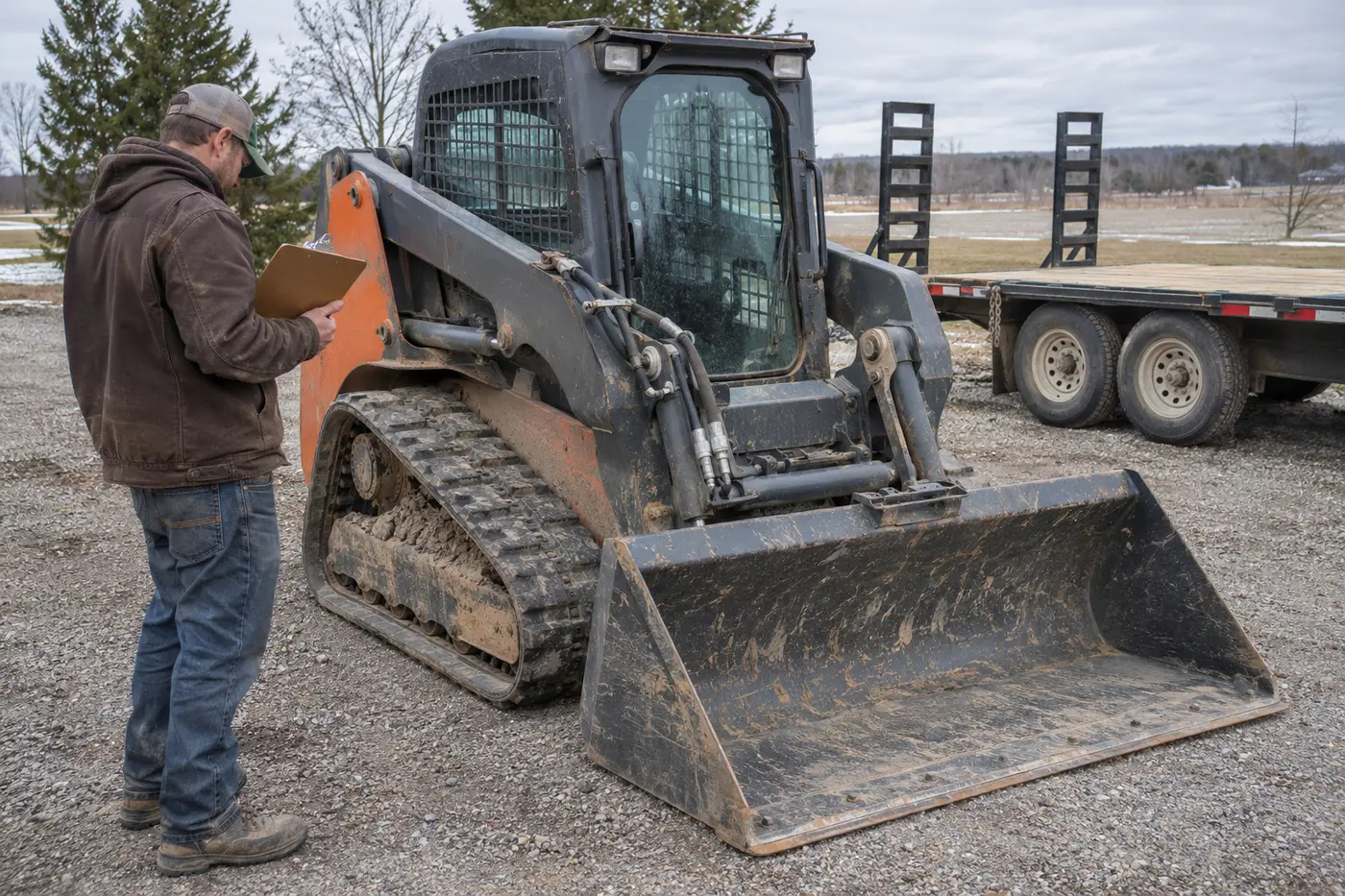
Used prices vary even more than new ones. Age, hours, condition, brand strength in your area and whether the machine has tracks all change the figure. A well-kept machine with moderate hours can cost much less than new, but a high-hour machine with a tired undercarriage can cost more in repairs than it saves. Inspect the machine in person or hire a mechanic. Use our used skid steer inspection checklist for the walk-around.
What drives the price of a skid steer?
- Frame size and capacity. Larger frames and higher rated operating capacity cost more.
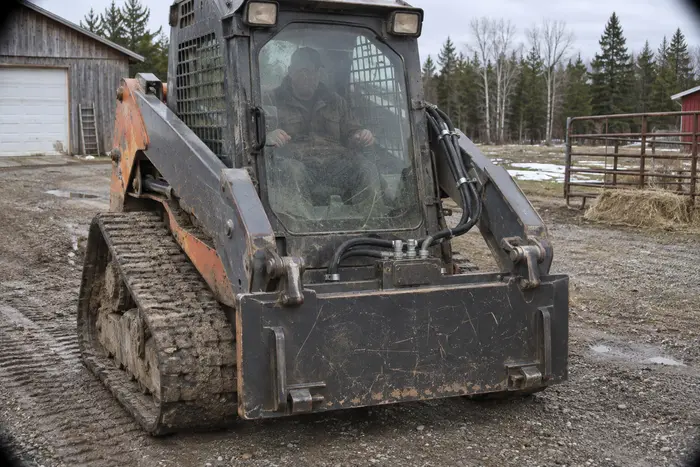
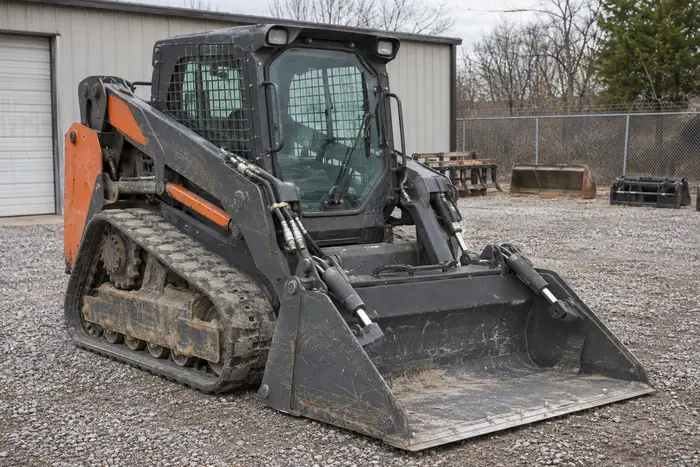
- Wheels or tracks. Track machines cost more than wheeled machines of similar size.
- Hydraulics. High-flow auxiliary systems and advanced controls add cost.
- Cab and comfort. Enclosed, heated and air-conditioned cabs, seat and joystick options add up.
- Lift path. Vertical-lift designs and radial-lift designs are priced differently.
- Engine and emissions tech. Newer emissions systems add to cost and maintenance.
- Hours, age and condition (used). The biggest swing factors.
Costs people forget
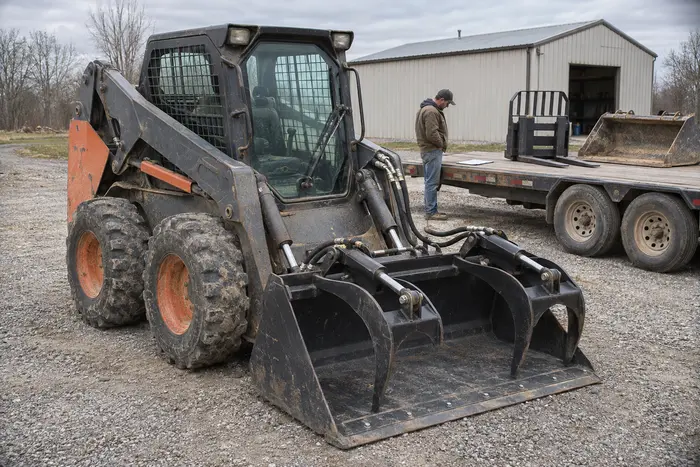
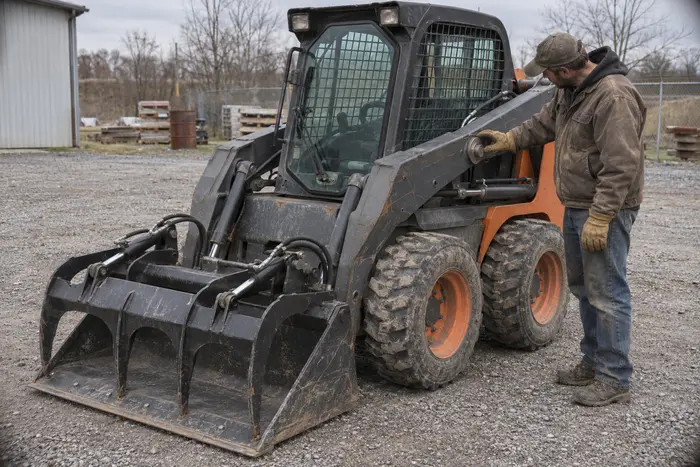
- Attachments. A bucket often comes with the machine. Pallet forks, a grapple, a snow pusher or a brush cutter are extra. Browse our buckets, pallet forks and brush cutters to see what a working set looks like.
- Transport. You need a trailer and a tow vehicle with the capacity. See skid steer weight and dimensions.
- Insurance and registration. Equipment coverage and liability cost money.
- Maintenance. Filters, fluids, grease, tires or tracks, and repairs.
- Fuel. Heavy work burns a lot.
- Storage. A secure space, ideally covered.
- Depreciation. The value you lose over time, which matters when you sell.
Rent or buy? A simple test
Compare your total expected rental days against ownership costs. A published rent-versus-buy guide notes that at daily rates of a few hundred dollars, a month of rental can add up to several thousand dollars. If you need a machine a few times a year, renting is often cheaper and easier. If you need it weekly, ownership can pay back, especially if you can also use it for paid work. Use this checklist:
- Estimate days of use per year.
- Multiply by the daily or weekly rental rate in your area.
- Estimate ownership costs: payment or lease, insurance, maintenance, storage and transport.
- Subtract expected resale value if you plan to sell.
- Compare. If ownership costs less over two to three years, buy. If not, rent.
Skid steer or compact track loader?
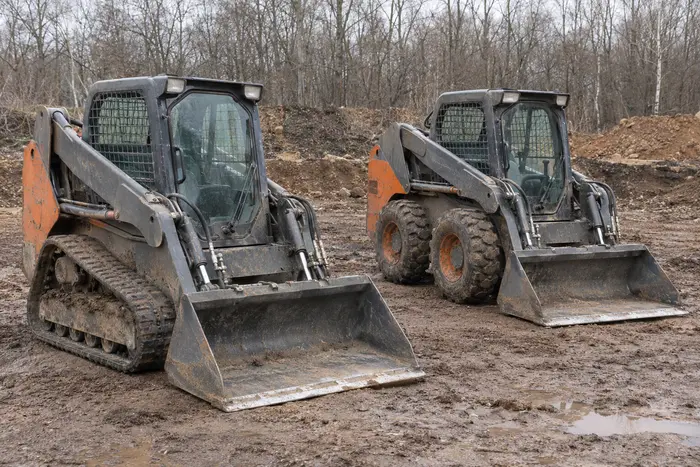
Both are loaders. A compact track loader rides on tracks and gives better flotation on soft ground, while a wheeled skid steer is cheaper and faster on hard surfaces. See skid steer wheels vs tracks for a closer look. Smaller buyers sometimes choose a mini skid steer instead, covered in our mini skid steer guide.
How to get an accurate number for your job
Ranges are useful for budgeting, but a real decision needs real quotes. Here is a short process that avoids surprises.
- Define the work. Write down the tasks, the material weights and the attachments you need. That sets the size class.
- Get at least two dealer quotes. Ask for the machine price with the attachments you need, delivery, and any prep fees listed separately.
- Ask about hours and warranty. For used machines, ask for service records. For new, ask what the warranty covers and who handles claims.
- Price the trailer and tow vehicle. If you do not own them, they belong in the budget.
- Ask for financing terms in writing. Compare the total paid over the term, not only the monthly payment.
Ways to lower the cost
- Buy the size you need, not the biggest. For many jobs a mid-frame machine is enough.
- Skip options you will not use. High-flow hydraulics only pay off if you run attachments that need them. See skid steer hydraulic flow explained.
- Consider used, with a proper inspection. A sound used machine can cost much less than new.
- Rent for rare jobs. Own the machine you use weekly and rent specialty tools you use once a year.
- Buy attachments separately. A machine plus a few well-chosen attachments often beats a package of tools you will never use.
Whatever route you take, compare total cost over several years, not the sticker price alone. A cheaper machine that sits in the shop is more expensive than a pricier one that works.
Get the right fit the first time
Whatever machine you buy or rent, attachments must match its mount and hydraulic flow. Send us your machine's make, model and year and a person checks fit against the maker's specs. You approve a delivered price before paying, and the manufacturer ships direct. Get a fit-checked quote.
Questions buyers ask
How much does a skid steer cost to buy?
One 2026 guide puts new skid steers at roughly $15,000 for compact models to over $120,000 for high-end ones, depending on size, wheels or tracks, cab and hydraulics. Used machines vary more widely with age and hours. Treat these as market ranges and get dealer quotes for exact figures.
How much does a skid steer cost to rent per day?
Published guides give about $200 to $500 a day, with small-frame machines near the lower end and large-frame machines at the upper end. Weekly and monthly rates lower the daily cost. Delivery, fuel and damage waivers are usually extra.
How much does it cost to lease a skid steer?
One 2026 guide cites an average 36-month lease at about $900 to $1,000 per month, depending on model and terms. Your payment depends on down payment, residual value, interest rate and allowed hours. Always ask what happens at lease end.
Is it cheaper to rent or buy a skid steer?
For a few days a year, renting is usually cheaper. For weekly or paid use, owning can pay off. Compare your expected rental days at local rates against payment, insurance, maintenance, storage, transport and resale value over two to three years.
What other costs come with owning a skid steer?
Attachments, trailer and transport, insurance, maintenance, fuel, storage and depreciation. Tires or tracks wear out and add cost. Budget for these as well as the purchase price so the total cost of ownership is clear.