Skid steer guide
Skid Steer vs Compact Track Loader: Wheels or Tracks?
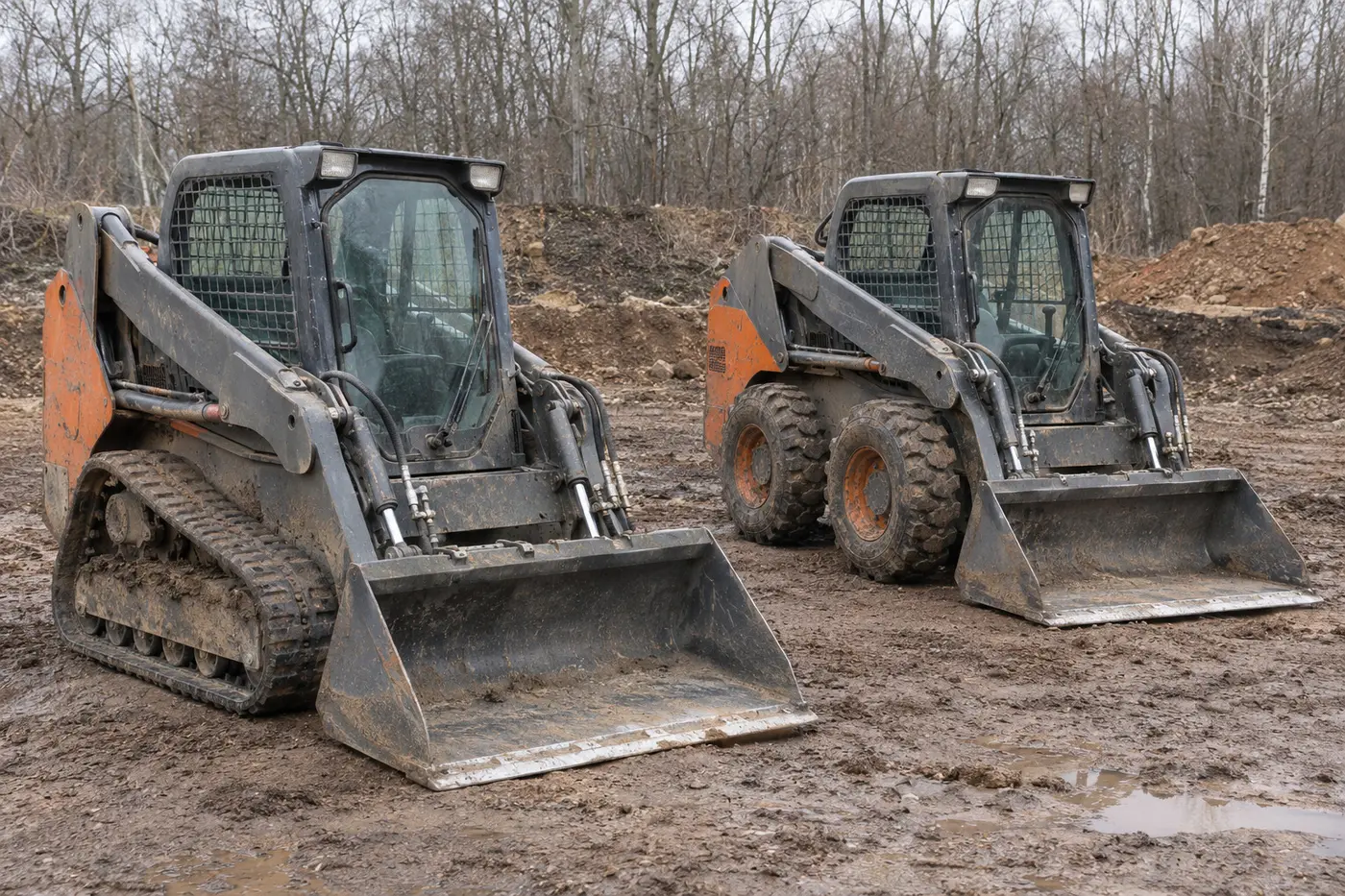
Quick answer
Wheels suit hard surfaces, speed and lower upkeep. Tracks suit soft, muddy or loose ground because they spread weight and grip better. Both steer by running the sides at different speeds. Pick based on the ground you work on most, not the one you work on once a year.
Shopping for this now? Get a fit-checked, delivered quote.
Key takeaways
- Wheels are usually the better choice on pavement and firm ground.
- Tracks are usually the better choice in mud, sand, snow and soft turf.
- Both can damage surfaces when they pivot.
- Over-the-tire tracks let a wheeled machine borrow track traction.
The skid steer wheels vs tracks question comes up on every buying list. The truth is simple: neither one wins everywhere. The ground you work on decides it. Here is how to choose.
What is the difference?
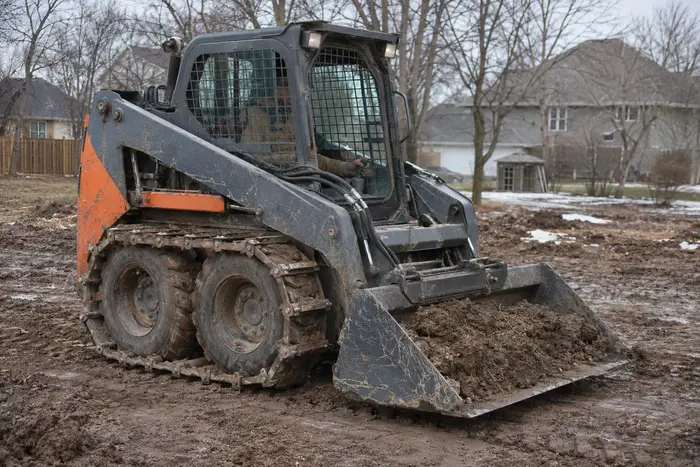
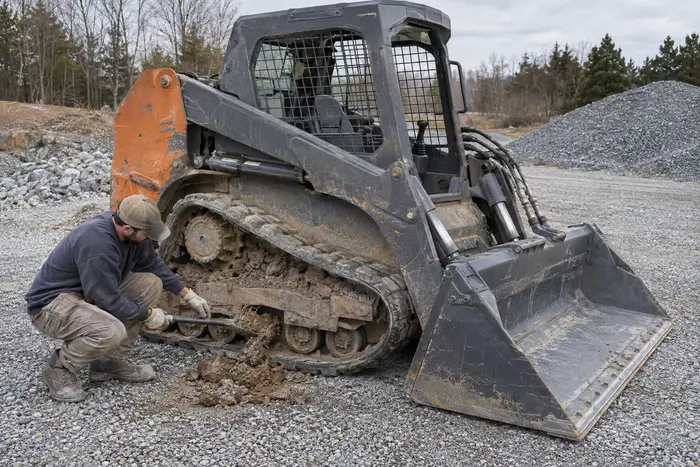
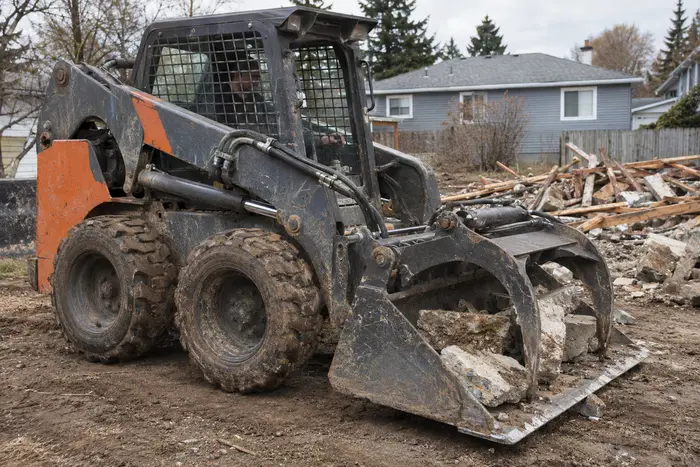
A skid steer is typically wheeled. When it uses rubber tracks instead of wheels, it is called a compact track loader. Both types steer by driving the left and right sides at different speeds. Both run attachments from the same kind of hydraulics and the same quick-attach plates. The undercarriage is the main difference.
Wheels vs tracks at a glance
| Factor | Wheeled skid steer | Compact track loader |
|---|---|---|
| Hard surfaces | Good; faster travel | Fine; more wear on pavement |
| Mud, sand, snow | Limited traction | Better flotation and grip |
| Ground pressure | Higher | Lower, spread over the track |
| Turf damage | Tears when turning | Can also scuff, but usually less |
| Upkeep | Tires and axles | Tracks, rollers, sprockets |
| Ride | Bouncier | Smoother |
When wheels make sense
- Most of your work is on pavement, concrete, gravel or packed ground.
- You travel long distances on site.
- You want lower undercarriage upkeep.
- You do material handling, sweeping or pallet work.
Wheeled machines also usually cost less to maintain because tires are simpler to replace than a rubber track system. Tire choice matters. Read our guide to foam-filled vs solid tires if you work around debris.
When tracks make sense
- You work in mud, loose sand, snow or wet clay.
- You grade, dig or push material on uneven ground.
- You want a smoother ride and better stability on slopes.
- You carry heavy attachments and want lower ground pressure.
Tracks spread the machine's weight over a larger area, so they sink less in soft ground. They also grip better when you push. That is why many grading and site-prep operators choose them. Our guide on compact track loader undercarriage care covers upkeep.
What about ground damage?
Both wheels and tracks can tear up soft or fragile surfaces, especially when you pivot in place. That comes from the way skid steering works: the machine slides its wheels or tracks sideways to turn. You can limit damage by turning in wide arcs, keeping the loader moving and working on firm ground. Nothing eliminates it entirely.
Can you add tracks to a wheeled machine?
Yes. Over-the-tire tracks fit around the existing wheels and give a wheeled loader some of a track machine's traction in mud and snow. They are an option when you work on soft ground part of the year. They do not match a purpose-built track loader on every measure. See our over-the-tire tracks guide and browse over-the-tire tracks.
Mini skid steers: wheels or tracks?
The same logic applies at a smaller scale. Many mini skid steers are tracked, because they work in soft yards and tight spaces where flotation matters. Check our mini skid steer guide if you are choosing in that class.
Which should you buy?
- List the ground types you work on and how often.
- If more than half is soft or uneven, lean toward tracks.
- If most is firm and you cover distance, lean toward wheels.
- If it is evenly split, a wheeled machine with over-the-tire tracks is a flexible middle path.
- Check dealer support and parts for the system you choose.
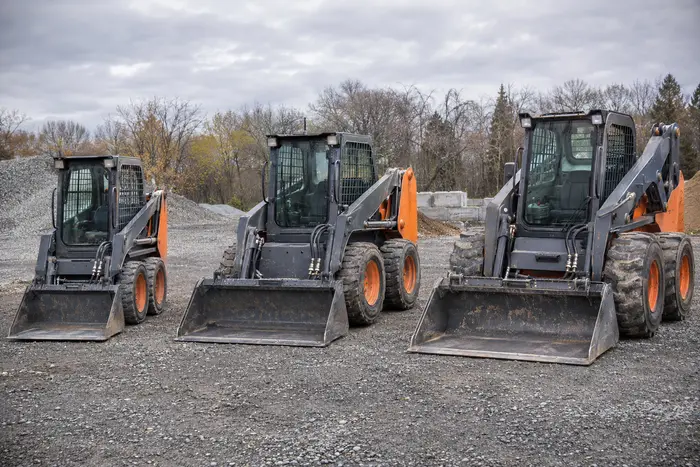
Whichever you buy, the attachments are the same. A quick-attach plate fits either undercarriage. Hydraulic needs do not change. That means you can plan your attachment list without waiting to decide wheels or tracks. Read our guides to frame classes and types of skid steers to place your machine.
Costs to think about
Do not compare only the purchase price. Tracks cost more up front in most cases and more to replace than tires. Tires wear faster on abrasive ground and punctures cost downtime. Ask what your local dealer stocks and how fast parts arrive. If a machine sits idle while you wait, that is the real cost.
Seasonal thinking
Many buyers look at their worst month rather than their average one. If you plow snow on pavement in winter and haul material in summer, wheels may cover you. If you push through wet clay in spring and mud in fall, you will feel tracks pay off. Think through all four seasons before you commit.
Operator comfort and slopes
A track machine gives a steadier ride and sits lower to the ground, which helps with slopes and uneven ground. A wheeled machine bounces more, especially with a loaded bucket. If operators spend long hours in the seat, comfort affects both safety and output. Always follow the operator manual's slope limits and rated operating capacity, whichever undercarriage you choose.
Tire options for wheeled machines
- Pneumatic tires give a softer ride and good traction but can puncture.
- Foam-filled tires resist punctures with a firmer ride.
- Solid tires remove puncture risk but ride harder and wear differently.
Choose by debris. A demolition yard punishes air tires. A turf site is easier on them.
Checklist before you decide
- Write down your work surfaces and rank them by hours per year.
- Note how far you travel with a loaded bucket.
- Ask for upkeep costs, parts delivery and downtime in your area.
- Check your attachment list for anything that favors one undercarriage over the other.
- Ask a person to confirm fit and specs for your shortlist.
A word on weight and transport
Track machines are usually heavier than wheeled ones of the same class, which affects trailer choice and ramp angles. Check the gross weight against your trailer and tow vehicle rating before you buy. Wheeled machines are lighter and often easier to load, but you still need to follow the maker's tie-down instructions and the trailer's rated capacity. This is a place where a mistake is expensive and dangerous, so use the manual's numbers, not guesses.
If you want help comparing a specific wheeled model with a specific track model, send us the two and the jobs you plan to run. A person will check how each one matches the attachments you plan to run.
Get the right fit the first time
Fit problems are the expensive mistakes, and they are easy to avoid. Send us your machine make, model and year and what you plan to do with it. A person checks the fit against the maker specs, and you see the delivered price before you pay. When you are ready, get a fit-checked quote.
Questions buyers ask
Is a skid steer better with wheels or tracks?
Neither is better everywhere. Wheels suit hard, firm ground and travel. Tracks suit mud, sand, snow and uneven ground because they spread weight and grip better. Choose by the ground you work on most often. Your operator manual has the exact figures for your machine.
Do tracks or wheels do less damage to a lawn?
Both can tear turf when they pivot. Tracks spread weight over a larger area, which helps on soft ground, but turning in place scuffs with either. Turn in wide arcs and avoid pivoting on finished lawn.
What is the difference between a skid steer and a compact track loader?
They are the same type of machine with different undercarriages. A skid steer typically runs on wheels, a compact track loader on rubber tracks. Both steer by running sides at different speeds and use the same attachments.
Can I put tracks on a wheeled skid steer?
Yes. Over-the-tire tracks fit around the wheels and add traction in mud and snow. They do not replace a purpose-built track loader in every task, but they give a wheeled machine more flexibility. Specs vary by model, so confirm the details before you buy.
Are mini skid steers better on wheels or tracks?
Most are tracked because they work in soft yards and tight spots where flotation helps. Wheeled minis exist and suit firm ground. Use the same test: look at where you work most. If you are unsure, a person can check it against your machine's specs.