Skid steer guide
Over-the-Tire Tracks for Skid Steers: Pros and Cons
Quick answer
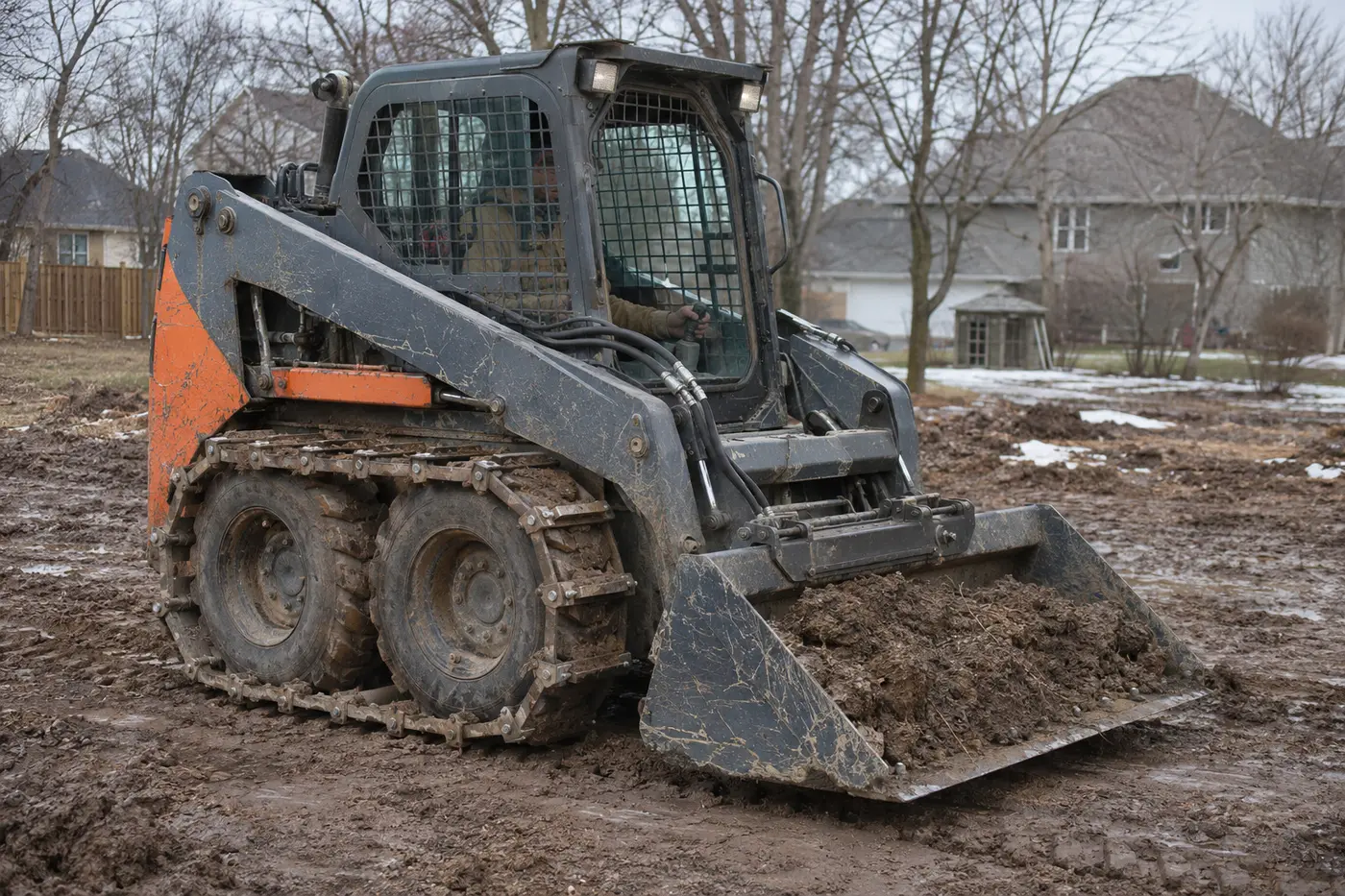
Over-the-tire (OTT) tracks are steel or rubber track assemblies that fit over a skid steer's existing tires. They add traction and flotation in mud, snow and soft ground, and can be removed for pavement work. Drawbacks include added weight, wear, slower travel and fit limits, so match them to your machine.
Shopping for this now? Get a fit-checked, delivered quote.
Key takeaways
- OTT tracks add traction and flotation on soft ground.
- They let a wheeled machine work like a track loader when needed.
- Tire size, frame and weight must match the track kit.
- They are harder on pavement and add maintenance.
A wheeled skid steer is a great all-round machine, until the ground turns soft. Mud, snow and sand can leave it spinning. Over-the-tire tracks are one answer: you fit tracks over the tires you already have, and take them off when the job is done. Here are the pros, cons and checks to make before you buy.
What are over-the-tire tracks?
Over-the-tire tracks, often called OTT tracks, are track assemblies that wrap around a skid steer's wheels on each side. The tire drives the track, and the track spreads the machine's weight over a larger area. Most are rubber or steel and are held on by tension, so they can be fitted and removed in a reasonable time. Browse the over-the-tire tracks category to see what is available.
Over-the-tire tracks vs a compact track loader
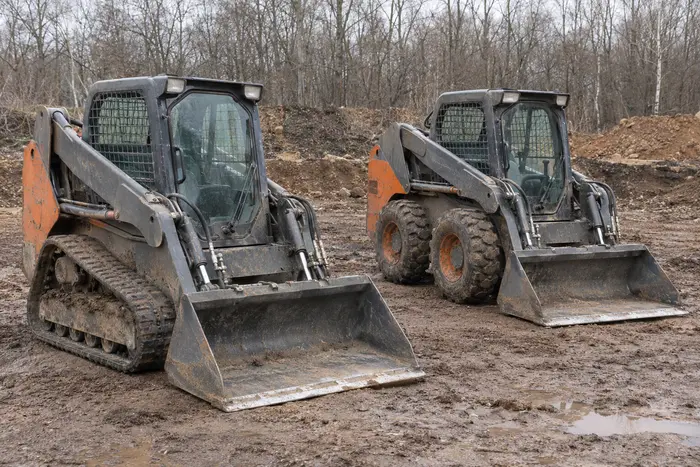
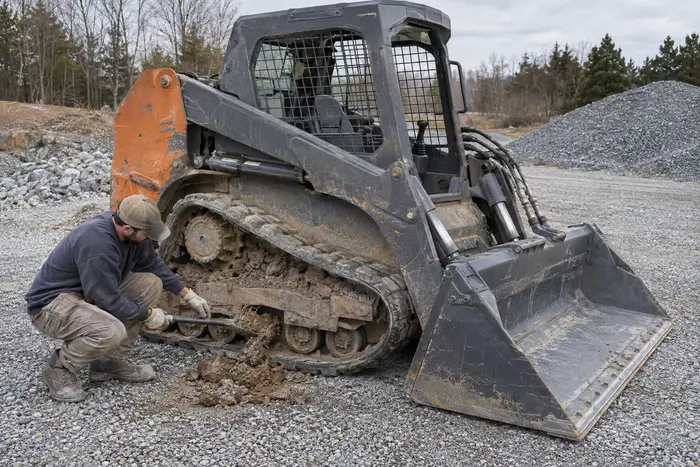
A compact track loader has tracks built into its undercarriage. A general reference notes that skid steers are sometimes equipped with tracks in place of wheels, and the result is called a compact track loader. OTT tracks give a wheeled machine some of that capability without buying a second machine.
| Factor | OTT tracks on a wheeled loader | Built-in track loader |
|---|---|---|
| Cost to add | Lower than a second machine | Machine cost |
| Swap time | Fit and remove as needed | Always on |
| Ride and wear | Rougher ride; extra load on drive parts | Smoother, designed for tracks |
| Pavement use | Remove first | Fine with care |
| Best for | Seasonal or occasional soft ground | Daily soft-ground work |
Compare the broader tradeoffs in skid steer wheels vs tracks, and see undercarriage care if you are weighing a dedicated track machine.
Pros of over-the-tire tracks
- More traction. The track bites into mud, snow and loose soil where tires spin.
- Better flotation. A larger contact area lowers ground pressure and reduces sinking.
- Flexibility. Put them on for winter or wet seasons, and take them off for hard ground.
- Lower cost than a new machine. They extend a wheeled loader's range.
- Less turf damage in some conditions. Larger contact area can reduce rutting, though turning still tears grass.
Cons and limits
- Added weight. OTT tracks are heavy, which affects balance and the loader's rated operating capacity. Check the manual.
- Slower and rougher. Travel speed and ride quality usually drop.
- Pavement damage and wear. Steel tracks especially can damage hard surfaces, and tracks wear faster on abrasive ground.
- Extra load on the drivetrain. The tires and drive components push the track's added weight and resistance.
- Fit constraints. They need compatible tire size, frame clearance and axle spacing.
- Tension upkeep. Tracks that are too loose can slip or come off.
- Changing time. Putting them on and off takes time and often a helper.
Do they work on a mini skid steer?
Some are made for mini skid steers, and they can help on soft lawns and slopes. Mini machines are lighter, so the extra track weight is a bigger share of their total. Check that the track is made for your machine's tire size and that the maker allows it. See our mini skid steer guide for how these machines are rated.
How to choose the right OTT tracks
- Measure the tires. Check size, width and tread condition. Tracks are matched to tire dimensions.
- Check the frame clearance. The track must clear the loader's fenders and frame.
- Pick rubber or steel. Rubber is gentler on surfaces. Steel bites harder in tough ground and is rougher on pavement.
- Look at the weight. Compare it with your machine's limits.
- Choose tread pattern. Aggressive patterns grip mud and snow. Smoother patterns suit mixed use.
- Confirm the tensioning method. Easy tension adjustment saves time and keeps tracks on.
- Check availability of replacement parts. Pads, links and hardware wear out.
Fit and installation tips
Follow the maker's instructions, and use the right lifting method to raise and support the machine, not a jack alone. Inflate tires to the specified pressure, since tire condition affects fit and grip. Set tension as specified, and recheck after the first hours of use as tracks seat. Foam-filled or solid tires can change how tracks fit and wear, so see foam-filled vs solid skid steer tires.
Operating tips
- Avoid sharp turns, especially on hard surfaces. Wide turns reduce wear and strain.
- Follow the track maker's speed guidance. Many recommend reduced travel speed.
- Clean mud and snow from the track before storage.
- Watch for debris such as rebar, which can damage the track or jam it.
- Remove them for hard pavement work.
- Stay inside the rated operating capacity, which may be lower with tracks fitted.
When OTT tracks make sense
They fit a wheeled machine used on soft ground for part of the year: winter snow work, spring mud, sandy sites or soft lawns. If your soft-ground work is daily, a compact track loader is the longer-term choice. If it is only now and then, OTT tracks may do the job, or a rental machine may be cheaper. For snow, see snow removal with a skid steer.
Cost thinking without the sticker shock
The price of a track set is small next to a second machine, but remember the running costs: extra wear on drive parts, track replacement, and the time it takes to fit and remove them. Add those to your estimate. If you expect to run the tracks most of the year, compare against a track loader before you decide.
Alternatives to consider
- Wider flotation tires. Wider tires improve flotation without tracks.
- A compact track loader. Better for constant soft-ground work.
- Waiting for dry ground. Sometimes the cheapest option on lawns.
- Ground mats. Protect turf on short jobs.
Questions to ask the seller
- Which tire sizes and machine models is this track kit made for?
- What is the weight of each track assembly?
- How do you adjust tension, and how often should I check it?
- Which parts wear first, and are they sold separately?
- Is there a recommended maximum speed or surface?
Clear answers to these tell you whether the kit fits your machine and your work.
Whichever way you go, test the setup on a small area first. Watch how the machine turns, how the tracks seat, and how the ride feels. A short test on your own ground tells you more than any brochure, and it reveals fit problems while you can still fix them.
Keep a simple record of hours on the tracks so you can plan replacements before they fail mid-job.
For soft-ground work, pair your tracks with the right tool, such as a bucket sized for your machine, and check its weight against your rating.
Get the right fit the first time
Send us the make, model and year of your machine and the job you have in mind. A person checks fit against the maker's specs, and you see the delivered price on your quote before you pay. The supplier ships direct, and warranty terms, if any, are written on your quote. Get a fit-checked quote.
Questions buyers ask
What are over-the-tire tracks for skid steers?
They are track assemblies that fit over the existing tires of a wheeled skid steer. The tire drives the track, which adds traction and flotation on mud, snow and soft ground. They can be removed for hard-surface work.
Are over-the-tire tracks worth it?
They are worth it if you work on soft ground part of the year and do not want a second machine. If you work on soft ground daily, a compact track loader is a better long-term fit. Check weight, fit and wear costs first.
Can you use over-the-tire tracks on pavement?
It is possible, but not ideal. Steel tracks can damage hard surfaces, and all tracks wear faster on abrasive pavement. Most operators remove them for pavement work or choose rubber tracks and make wide turns.
Do over-the-tire tracks fit mini skid steers?
Some models are made for mini skid steers, but fit depends on tire size and frame clearance, and the added weight is a bigger share of a light machine. Confirm compatibility with the maker before you order.