Excavator guide
Excavator vs Digger: Is There a Difference?
Quick answer
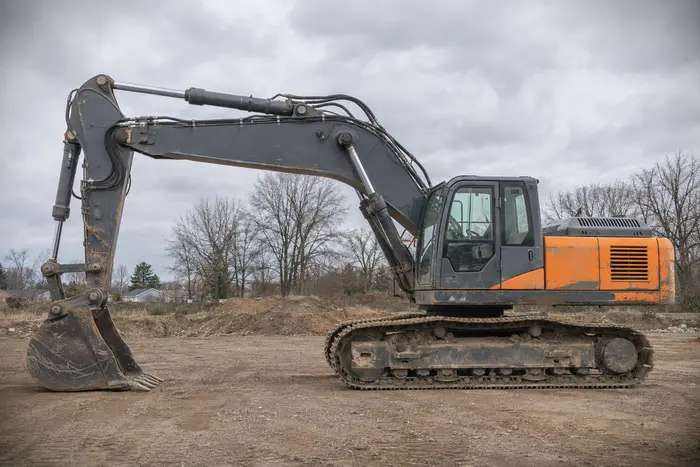
Excavator vs digger: they are usually the same machine. Digger is the informal name for a tracked or wheeled machine with a boom, stick and bucket on a house that rotates 360 degrees. The word is also used loosely for backhoe loaders, so name the machine type when ordering attachments.
Shopping for this now? Get a fit-checked, delivered quote.
Key takeaways
- Digger is the informal word for an excavator.
- A mini digger is a mini or compact excavator.
- A backhoe loader is a different machine with a limited-swing rear arm.
- State machine type, make, model and year when ordering attachments.
Is an excavator the same as a digger?
Yes, in everyday speech an excavator and a digger are the same machine. "Digger" is the informal name, and it is common in the UK, Ireland, Australia and New Zealand. "Excavator" is the standard term in construction, in manuals and on spec sheets. Reference works list excavators as also being called diggers, scoopers, mechanical shovels or 360-degree excavators, often shortened to "360" because the cab and arm swing a full circle on the undercarriage.
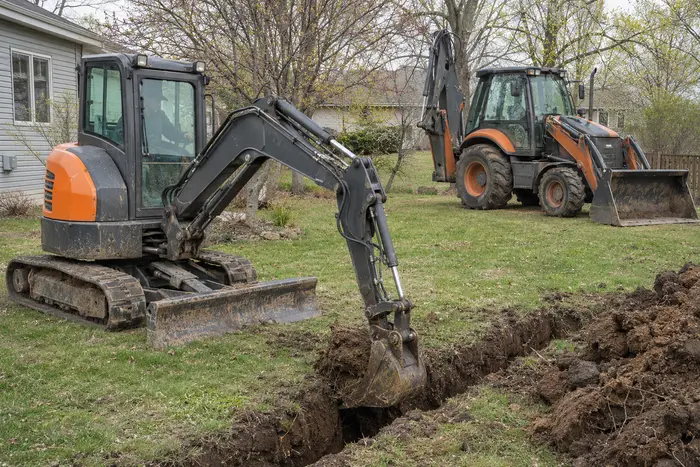
The confusion starts because "digger" is also used loosely for other machines. In some regions, a backhoe loader gets called a digger too. So when a customer says "digger," it pays to ask whether they mean the tracked machine with the swinging cab, or the tractor-style machine with a loader bucket on the front and a hoe on the back.
Excavator vs digger vs backhoe loader
| Name | What it is | Key feature |
|---|---|---|
| Excavator | Tracked or wheeled machine with a boom, stick and bucket on a rotating house | Cab swings 360 degrees on the undercarriage |
| Digger | Informal name for an excavator; sometimes used for a backhoe loader | Meaning depends on region and speaker |
| Mini digger | Informal name for a compact or mini excavator | Small size, often zero or reduced tail swing |
| Backhoe loader | Tractor with a front loader bucket and a rear digging arm | Operator swivels the seat between the loader and the hoe |
The core difference is how each machine digs. An excavator's arm is mounted on a house that rotates, so the machine can stay still while it swings the bucket to a truck or a spoil pile. A backhoe loader has a rear arm that swings through a limited arc, and the whole machine often has to reposition. Our full comparison is in backhoe vs excavator, and the parts of each are laid out in parts of an excavator.
Is a mini digger an excavator?
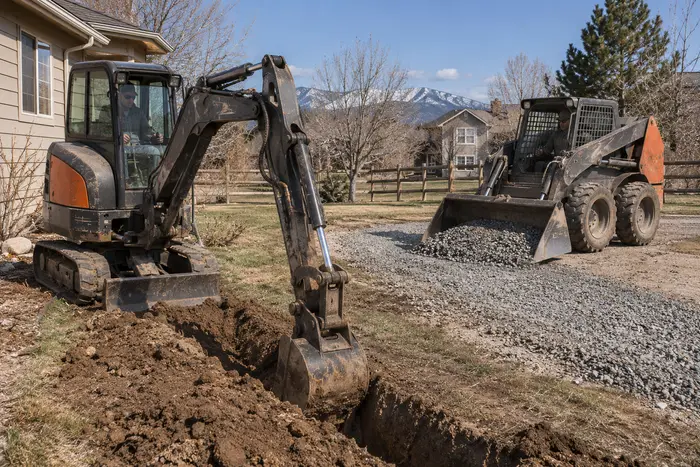
Yes. A mini digger is a mini or compact excavator. Machines in this class are small enough to trailer easily and fit through gates. They may have a short or zero tail swing so the rear does not hang out past the tracks when the house rotates. Compact excavators carry the same type of work tools as bigger machines, scaled to their size. Read types of excavators for the full range, and the mini excavator vs skid steer guide if you are deciding between a digger and a loader.
What can an excavator or digger do?
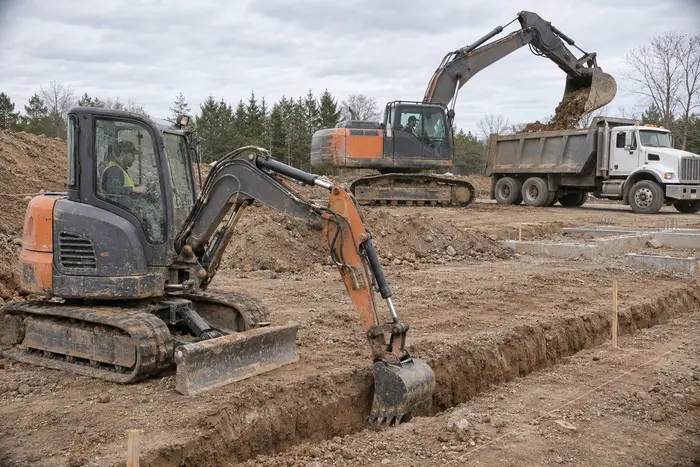
Excavators dig trenches, holes and foundations. They load trucks, move material, break concrete, drive posts and clear brush. With the right attachment a digger can also work as a grapple, a compactor, a mulcher or a screening machine. That versatility is why the machine appears on so many job sites. Common work tools include:
- Buckets for digging, grading and cleanup.
- Thumbs and grapples for grabbing logs, rocks and debris.
- Breaker hammers for concrete and rock.
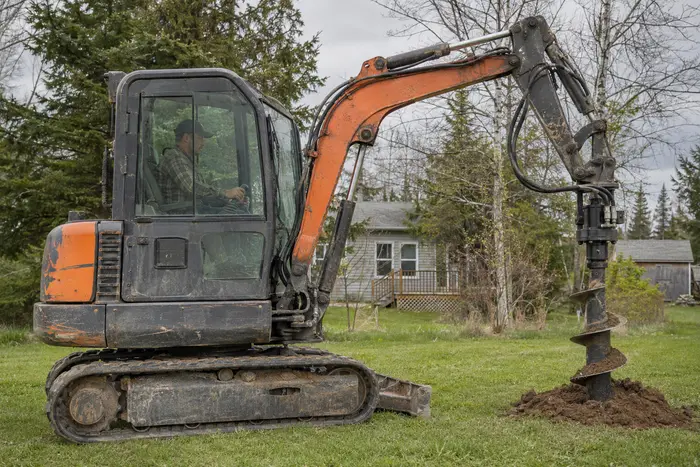
- Augers for post and pier holes.
- Quick couplers that speed up tool changes, and let you swap from the seat if the coupler is hydraulic.
Which words do buyers use?
When you search for attachments, the words matter. A person in the UK may search for a "digger bucket." A North American buyer will search "excavator bucket." Both mean the same product. Search results that mention "digger" usually refer to an excavator attachment, but verify the machine type, size and mounting. A digger bucket for a mini excavator does not fit a backhoe loader's rear arm in most cases, because the pin spacing and arm geometry differ.
How to describe your machine when ordering
- State the type: tracked excavator, wheeled excavator or backhoe loader.
- Give the make, model and year.
- Give the operating weight class or the tonnage, which tells us which attachment sizes apply.
- Tell us whether you use a quick coupler and what type it is, or whether the tool is pinned directly to the stick.
- Describe the auxiliary hydraulics, if you plan to run a hammer, thumb or rotating tool.
With those details a person can check attachments against the maker's specs. Without them, "digger" could mean anything from a small garden machine to a large production excavator.
Safety basics with any digger
Excavators are heavy, and digging near people, structures and buried lines is hazardous. Call 811 in the US or your provincial one-call service in Canada before you dig. Keep people outside the swing radius of the cab and boom. Follow the operator manual for lift capacity charts and slope limits, and lower the arm and bucket to the ground before you leave the seat.
Why the names vary by region
Equipment names grow out of local habit. In the UK and parts of the Commonwealth, "digger" is the default word for any tracked or wheeled excavator, and "mini digger" is the default for a compact one. In North America, contractors say "excavator," "mini ex" or "trackhoe," and "digger" is used more casually. Wheeled excavators in some regions pick up their own nicknames. None of this changes the machine. What matters is the specification: type, operating weight, boom and stick geometry, hydraulic circuits and the coupler.
Tail swing and size: what changes between diggers
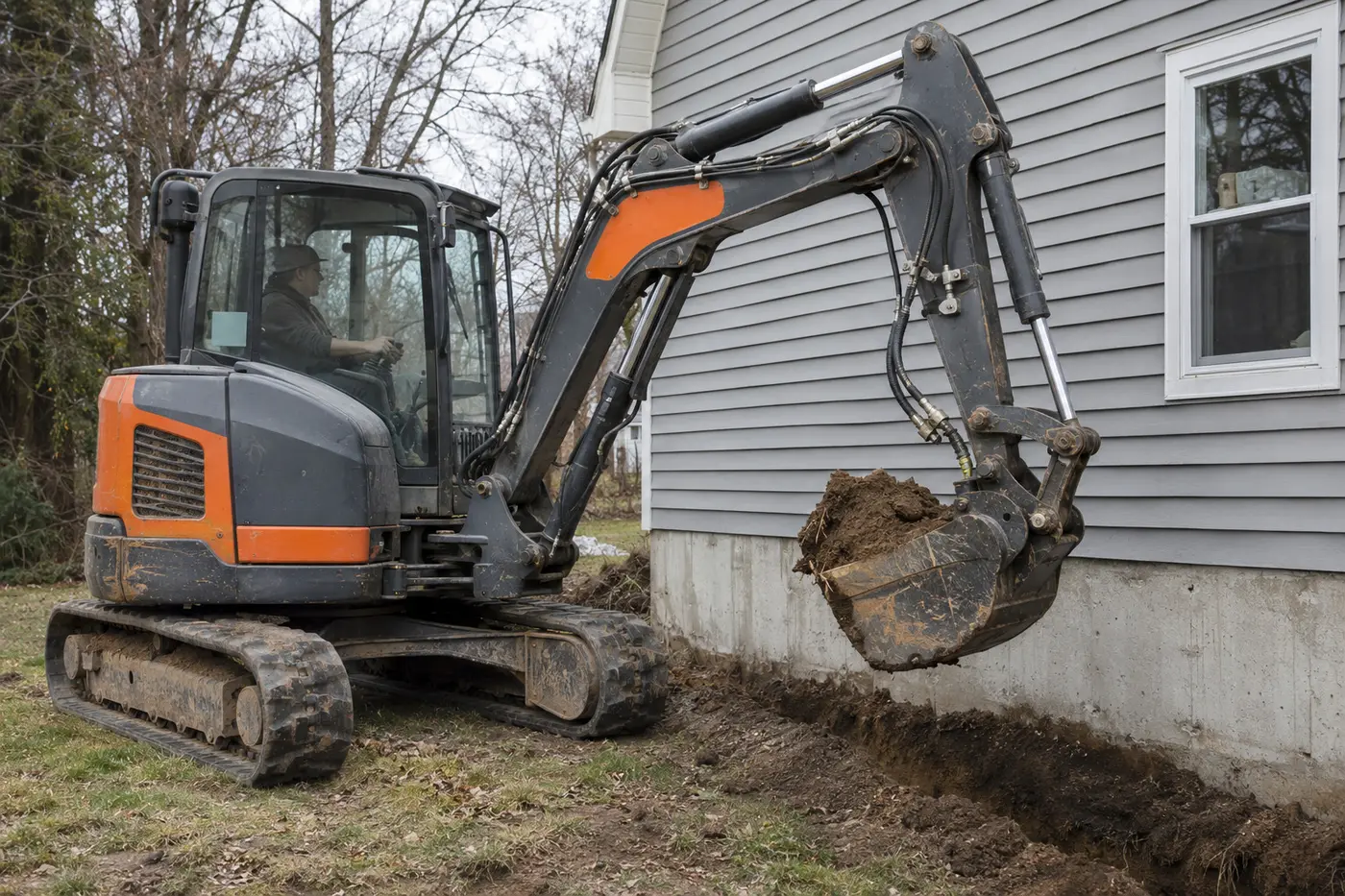
Excavators come in a wide range of sizes, and size affects attachment fit more than the name does. A conventional excavator has a counterweight that swings out past the tracks when the house rotates. A reduced tail swing or zero tail swing compact excavator keeps the rear inside the track width, so you can dig close to walls and fences without hitting them. These designs are popular in tight residential work. Smaller machines usually have lower hydraulic flow and lift capacity. A bucket, hammer or grapple that suits a larger machine can overload a small one.
If you want to understand sizing in more detail, see how to operate a mini excavator for controls and basics.
Digger or skid steer: which do you need?
If most of your work is trenching, digging footings, setting posts and working below grade, an excavator wins. If most of your work is moving material, grading, forking pallets and running rotating tools, a skid steer or track loader fits better. Many owners run both. The excavator digs and the loader moves and spreads the spoil. Our mini excavator vs skid steer guide breaks down the trade-offs by job.
Get the right fit the first time
Send us your machine make, model and year and tell us the job. A person checks the attachment against the maker's specs, then you request a fit-checked quote with delivered pricing before you pay. The supplier ships direct, and warranty terms, if any, are written on your quote.
Questions buyers ask
Is an excavator the same as a digger?
Yes. Digger is the informal name for an excavator, common in the UK and Australia. Excavator is the standard construction term. Both describe a machine with a boom, stick and bucket on a house that rotates on an undercarriage.
Is a mini digger an excavator?
Yes. A mini digger is a mini or compact excavator. It works the same way as a larger excavator, with a boom, stick and bucket on a rotating house, but is small enough to trailer easily and fit through gates.
What is the difference between an excavator and a backhoe?
An excavator's arm sits on a house that rotates a full circle on the tracks or wheels. A backhoe loader is a tractor with a front loader bucket and a rear digging arm with a limited swing. The excavator is built for digging, while the backhoe also loads.
Is a backhoe a digger?
Sometimes, depending on the region and speaker. Many people use digger for any machine that digs, including a backhoe loader. In a spec sheet or quote, say excavator or backhoe loader so the correct attachments are matched.
Why is an excavator called a 360?
Excavators are sometimes called 360s because the cab and arm can rotate a full 360 degrees on the undercarriage. That lets the machine dig and dump without moving its tracks, which is a big advantage over a backhoe loader in tight spaces.